
Laparoscopic Sleeve Gastrectomy in Amman: A Complete Patient Guide
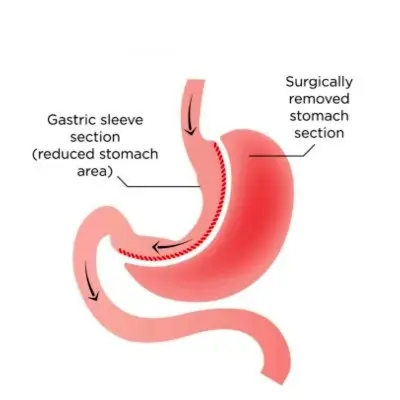
Laparoscopic sleeve gastrectomy is an established metabolic and bariatric operation used to treat obesity and improve health conditions associated with excess body fat. During the procedure, the surgeon removes approximately 75 to 80 percent of the stomach and shapes the remaining portion into a narrow tube. The smaller stomach holds less food and contributes to biological changes that can reduce hunger, strengthen fullness signals, and improve glucose regulation.
The operation is usually performed through several small abdominal incisions. This minimally invasive approach generally causes less wound discomfort and supports earlier mobility than traditional open surgery. It does not, however, make the procedure minor. Sleeve gastrectomy permanently changes the stomach and requires careful preparation, an experienced surgical team, structured nutrition, regular monitoring, and lifelong commitment from the patient.
This guide from Dr. Ahmed Elwahidi Clinic in Amman explains the procedure from a gastrointestinal, laparoscopic, and bariatric surgical perspective. It covers how the operation works, who may be considered, how patients prepare, what recovery involves, which outcomes are realistic, and which risks deserve particular attention.
What Is Laparoscopic Sleeve Gastrectomy?
Sleeve gastrectomy, sometimes called gastric sleeve surgery or vertical sleeve gastrectomy, reduces the stomach from a flexible, curved reservoir into a narrow tubular organ. The surgeon removes most of the outer curved part of the stomach, including much of the fundus and body, while preserving a continuous pathway from the esophagus through the remaining stomach to the duodenum.
Unlike gastric bypass, sleeve gastrectomy does not divide or reroute the small intestine. Food continues to pass through the stomach, pylorus, duodenum, and the rest of the intestine in the usual sequence. Calorie and nutrient absorption therefore remains largely intact. Nutritional deficiencies can still occur because patients eat much less, food tolerance changes, stomach acid production is reduced, and supplement use may be inconsistent.
The removed portion of the stomach cannot be restored. Sleeve gastrectomy should therefore be understood as a permanent anatomical operation, even though conversion to another bariatric procedure may be possible later if medically necessary.
How Much of the Stomach Is Removed?
Approximately 75 to 80 percent is commonly removed, but the exact volume is not identical in every patient. The final shape depends on the original anatomy, the calibration method, the distance from the pylorus where division begins, the position of the stapling line, and the surgeon’s assessment of safety. The goal is to create a smooth, appropriately sized sleeve without twisting, narrowing, or leaving an excessively large fundus.
How Sleeve Gastrectomy Promotes Weight Loss
The operation is often described as simply making the stomach smaller. That description is incomplete. Sleeve gastrectomy affects food capacity, appetite hormones, stomach emptying, glucose regulation, and communication between the digestive system and the brain.
Reduced Meal Capacity
The smaller stomach becomes full after a much smaller amount of food. Stretch receptors in the stomach wall and signals from the intestine communicate with the brain during a meal. When patients eat slowly and stop at the first sign of comfortable fullness, the new anatomy helps reduce energy intake without requiring the same portion sizes as before surgery.
Changes in Hunger Signaling
The fundus contains many cells that produce ghrelin, a hormone involved in hunger and meal initiation. Removing much of this region often lowers circulating ghrelin, particularly during the early period after surgery. Many patients notice less hunger, although appetite varies and may increase again with time.
Nutrients may also reach the small intestine more rapidly after sleeve gastrectomy. This can increase signals such as glucagon like peptide 1 and peptide YY. These hormones help reinforce fullness and support insulin secretion after meals. Their effects contribute to the metabolic response, but no single hormone explains the entire result.
Improved Insulin Sensitivity
A major reduction in calorie intake begins immediately after surgery. Liver glucose production can fall, and insulin sensitivity may start improving before substantial weight loss occurs. As visceral fat and liver fat decrease over the following months, the liver, muscles, and other tissues often respond to insulin more effectively.
These changes help explain why blood glucose may improve quickly in people with type 2 diabetes. Remission is possible, but it is not guaranteed and should not be described as a permanent cure. Diabetes may persist or return, especially when it has been present for many years, insulin is already required, pancreatic function is limited, or clinically significant weight regain occurs.
Bile Acids, Nerve Signals, and the Intestinal Microbiome
Sleeve gastrectomy also changes bile acid signaling, vagal nerve communication, nutrient sensing, and the intestinal microbial environment. These systems influence glucose, lipid metabolism, inflammation, appetite, and energy regulation. Research continues to define their exact roles. The most accurate view is that sleeve gastrectomy produces a coordinated anatomical and metabolic effect rather than acting through restriction alone.
Who May Be Eligible for Sleeve Gastrectomy?
Eligibility should be determined through an individual assessment by a multidisciplinary metabolic and bariatric team. Body mass index is an important screening measure, but it cannot show fat distribution, muscle mass, organ dysfunction, physical limitation, or the full effect of obesity on a person’s health.
Current guidance from the American Society for Metabolic and Bariatric Surgery and the International Federation for the Surgery of Obesity and Metabolic Disorders recommends metabolic and bariatric surgery for adults with a body mass index of at least 35 kilograms per square meter, regardless of whether obesity related diseases have already been diagnosed.
Surgery should also be considered for selected adults with a body mass index from 30 to 34.9 when metabolic disease is present or when appropriate nonsurgical treatment has not achieved substantial and durable improvement. Some insurance systems and national policies continue to apply older thresholds, so practical eligibility may differ from current clinical recommendations.
Conditions That May Strengthen the Clinical Indication
- Type 2 diabetes or insulin resistance: Especially when glucose remains difficult to control with appropriate medical treatment.
- High blood pressure or abnormal blood lipids: These conditions increase cardiovascular risk and may improve after significant weight loss.
- Obstructive sleep apnea: Excess tissue around the airway and altered respiratory mechanics can interfere with breathing during sleep.
- Metabolic fatty liver disease: Liver fat and inflammation are closely associated with insulin resistance and obesity.
- Joint pain and reduced mobility: Excess mechanical load can limit activity and impair daily function.
- Persistent obesity despite structured treatment: Surgery may be considered when nutrition, activity, behavioral care, and appropriate medication have not produced sufficient or durable improvement.
Readiness Is More Than a Number
A suitable candidate must understand that surgery is a treatment tool rather than an isolated event. The patient needs to follow hydration, nutrition, supplement, medication, activity, and appointment plans. Mental health conditions do not automatically exclude a person. The team instead assesses whether depression, anxiety, eating disorders, substance use, cognitive barriers, or severe psychiatric symptoms are recognized and adequately managed so that treatment is safe and informed.
When Sleeve Gastrectomy May Not Be the Best Choice
No bariatric procedure is best for every patient. Sleeve gastrectomy can cause new gastroesophageal reflux or worsen existing reflux. Patients with significant heartburn, inflammation of the esophagus, Barrett esophagus, a large hiatal hernia, or complex upper digestive disease require careful investigation before the procedure is selected.
Gastric bypass may offer better reflux control for some patients and may be preferred in certain metabolic or anatomical situations. Other patients may be better served by medical obesity treatment, another operation, or a staged approach. Previous abdominal or bariatric surgery, severe motility problems, medication requirements, nutritional risk, and personal preferences can all influence the decision.
This is why consultation with a surgeon experienced in gastrointestinal anatomy, laparoscopy, and bariatric procedures matters. The question is not simply whether sleeve gastrectomy can be performed. The question is whether it provides the most appropriate balance of benefit, risk, and long term practicality for the individual patient.
Preparing for Laparoscopic Sleeve Gastrectomy
Preparation aims to reduce avoidable surgical risk, identify untreated disease, correct nutritional deficiencies, and establish a realistic recovery plan.
Medical and Surgical Assessment
The surgeon reviews weight history, previous treatment, abdominal symptoms, reflux, swallowing problems, gallbladder disease, previous operations, sleep apnea, diabetes, heart and lung conditions, kidney and liver health, clotting risk, and other relevant factors. Additional testing is chosen according to the clinical findings.
Nutrition and Laboratory Assessment
People can have vitamin or mineral deficiencies before bariatric surgery despite consuming excess calories. Testing commonly includes a blood count, iron status, vitamin B12, folate, vitamin D, calcium, glucose control, kidney function, and liver function. Deficiencies should be treated before surgery whenever possible.
Medication and Supplement Review
The clinical team must know about all prescription medicines, nonprescription medicines, injections, vitamins, herbs, and supplements. Anticoagulants, diabetes medicines, anti inflammatory medicines, and certain supplements may require adjustment. Patients should not stop essential medicine without direct instructions from the treating team.
Nicotine, Alcohol, and Sleep Apnea
Nicotine increases the risk of breathing problems, blood clots, poor healing, and other complications. Complete cessation before surgery is a major safety priority. Alcohol use should be discussed honestly because metabolism and tolerance can change after bariatric surgery. Patients who use positive airway pressure for sleep apnea should bring the device when instructed and continue treatment until reassessed.
The Preoperative Diet
Some patients are asked to follow a structured diet for one or two weeks before surgery. The purpose is often to reduce liver size and improve access to the upper stomach. The duration and composition depend on the program and the patient. It should not be replaced with an unapproved crash diet.
Eating, Drinking, and Fasting Instructions
There is no universal rule that every patient must fast for exactly 12 hours. Modern anesthesia instructions distinguish between solid food and clear liquids and may vary with diabetes, stomach emptying, medication use, and hospital policy. Patients must follow the exact written instructions provided by their surgical and anesthesia teams. Eating or drinking outside those instructions can delay or cancel the operation because stomach contents increase the risk of aspiration during anesthesia.
How the Operation Is Performed
Sleeve gastrectomy is performed under general anesthesia. Several small incisions allow the surgeon to place a camera and specialized instruments into the abdomen. Carbon dioxide creates working space so that the stomach and surrounding structures can be viewed safely.
The surgeon releases the outer curve of the stomach from nearby tissue and blood vessels. A calibration tube may be placed temporarily through the mouth into the stomach to guide the diameter of the sleeve. The stomach is divided vertically using surgical stapling instruments. The larger outer section is removed through one of the incisions, while the remaining stomach forms a continuous narrow tube.
The surgeon inspects the staple line for bleeding, shape, narrowing, or twisting. Additional measures may be used according to the technique and findings. The small incisions are then closed. Operating time often ranges from about one to two hours, but complexity, previous surgery, anatomy, and safety considerations can make the procedure shorter or longer. Time alone is not a measure of surgical quality.
Hospital Stay and Early Recovery
Many patients stay in the hospital for one or two nights, although the actual duration depends on local protocol and recovery. The team monitors pulse, breathing, pain, nausea, hydration, urine output, and signs of bleeding or leakage.
Walking begins as soon as it is safe. Early movement supports lung expansion, circulation, bowel function, and prevention of blood clots. Compression devices and anticoagulant medicine may also be used according to individual risk. Pain is usually treated with a planned combination of medicines so that the patient can breathe deeply and move comfortably.
Common Early Experiences
- Incision discomfort: Mild to moderate discomfort is expected and should gradually improve.
- Nausea: This can occur after anesthesia or when fluids are taken too quickly. Persistent vomiting is not normal and requires review.
- Fatigue: Surgery, reduced calorie intake, sleep disruption, and rapid metabolic change can temporarily lower energy.
- Abdominal pressure or gas discomfort: This usually improves as the body absorbs the gas used during laparoscopy and mobility increases.
Return to work and normal activity varies. Many patients resume light daily tasks within a few weeks, while full recovery commonly takes several weeks. Heavy lifting and strenuous exercise must wait until the surgeon confirms that healing is adequate.
Diet Progression After Sleeve Gastrectomy
Food progression protects the healing stomach and helps the patient learn new eating patterns. Timelines vary among programs, so the treating team’s plan takes priority over any generic schedule.
- Liquids: Early intake focuses on frequent small sips, hydration, and appropriate protein sources.
- Smooth or pureed food: Soft textures are introduced in very small portions after the team confirms readiness.
- Soft food: Tender protein and other easily chewed foods gradually increase variety.
- Regular textures: Foods are reintroduced carefully according to tolerance, nutritional value, and medical guidance.
Long term eating emphasizes protein, vegetables, nutrient dense foods, and appropriate portions. Concentrated sugar, highly refined carbohydrates, calorie dense liquids, and frequent grazing can reduce the operation’s effectiveness. Patients should eat slowly, take small bites, chew thoroughly, and stop at the first sign of fullness.
Hydration should occur steadily between meals because the sleeve cannot comfortably accept a large volume at once. Repeated vomiting, inability to keep liquids down, dark urine, dizziness, or very low urine output requires prompt contact with the clinical team.
How Much Weight Can Patients Expect to Lose?
Weight loss varies widely and cannot be guaranteed. Results depend on starting weight, age, metabolic health, medicines, sleep, activity, food patterns, follow up, and individual biology. The fastest change generally occurs during the first six months, with further loss often continuing for 12 to 18 months.
Weight outcomes are commonly reported in two different ways. Total body weight loss is the percentage lost from the starting weight. Excess weight loss is the percentage lost from the amount above a selected reference weight. A claim such as 60 percent excess weight loss is not the same as losing 60 percent of total body weight.
Many clinical sources report that patients may lose around 50 to 60 percent of excess weight within one to two years, while total body weight loss often falls within a broad range of approximately 20 to 30 percent. Individual results can be higher or lower. The statement that every patient will lose 80 percent of excess weight during the first year is not a reliable general expectation.
Long term studies confirm that sleeve gastrectomy can produce durable weight loss, but some regain is common after the lowest weight is reached. In the SLEEVEPASS randomized trial, the median excess weight loss after sleeve gastrectomy was 43.5 percent at ten years. This is a study result from a particular population, not a prediction for every patient.
Potential Health Benefits
Type 2 Diabetes
Reduced calorie intake, lower liver fat, loss of visceral fat, improved insulin sensitivity, and altered intestinal hormone signaling can substantially improve glucose control. Some patients need less medication, and some enter remission. Diabetes must still be monitored because remission can be incomplete or temporary.
High Blood Pressure and Abnormal Cholesterol
Weight loss can improve kidney sodium handling, vascular function, inflammation, insulin resistance, and sympathetic nervous system activity. Blood pressure and lipid measurements often improve. Medication doses must be reviewed during rapid weight loss to avoid low blood pressure or other adverse effects.
Obstructive Sleep Apnea
Reducing excess tissue around the upper airway and improving breathing mechanics can lessen sleep apnea. Patients should not stop positive airway pressure therapy based only on improved symptoms. Formal reassessment is needed.
Fatty Liver Disease, Mobility, and Quality of Life
Loss of liver fat and improved insulin sensitivity may reduce metabolic liver injury. Lower mechanical load can improve joint pain, movement, and participation in daily activity. Many patients report better physical function and quality of life, although outcomes depend on overall health and ongoing care.
Risks and Possible Complications
Sleeve gastrectomy is generally safe when performed for an appropriately selected patient by an experienced team, but it remains major surgery. A complete consent discussion must include early surgical risks and problems that may develop months or years later.
Early Risks
- Bleeding: Bleeding can occur from the staple line, the abdominal wall, or another surgical area. Significant bleeding may require transfusion, endoscopy, or another operation.
- Staple line leak: A leak from the divided edge of the stomach can cause abdominal infection and sepsis. It requires urgent investigation and treatment.
- Blood clots: Deep vein thrombosis and pulmonary embolism are serious risks. Early walking and preventive medicine are used according to individual risk.
- Infection: Infection can affect an incision, the abdomen, lungs, or another site.
- Anesthesia and breathing complications: Risk is influenced by sleep apnea, heart or lung disease, smoking, frailty, and other medical factors.
Later Risks
- Gastroesophageal reflux: Heartburn, regurgitation, or inflammation of the esophagus can appear or worsen after sleeve gastrectomy.
- Narrowing or twisting: An abnormal sleeve shape can interfere with food passage and cause pain, reflux, or vomiting.
- Gallstones: Rapid weight loss increases the risk of gallstone formation.
- Nutritional deficiencies: Iron, vitamin B12, folate, vitamin D, calcium, thiamine, and other nutrients may become inadequate.
- Insufficient weight loss or weight regain: Biological, nutritional, behavioral, medication related, and anatomical factors can contribute.
- Need for another procedure: Severe reflux, anatomical complications, or inadequate metabolic response may occasionally require endoscopic treatment or revisional surgery.
Why Reflux Deserves Particular Attention
The sleeve is a narrow, higher pressure stomach. Its shape, the function of the lower esophageal sphincter, a hiatal hernia, stomach emptying, and eating behavior can all influence reflux. Ten year randomized evidence found that reflux and inflammation of the esophagus were more common after sleeve gastrectomy than after gastric bypass. Patients with important reflux symptoms therefore need careful evaluation before choosing the operation and appropriate surveillance afterward.
Vitamins, Minerals, and Long Term Monitoring
Sleeve gastrectomy does not bypass the intestine, but nutritional monitoring remains essential. Smaller intake, reduced acid, food intolerance, vomiting, and rapid weight loss can contribute to deficiency. A typical plan includes a bariatric multivitamin and additional nutrients selected according to the patient and laboratory results.
Testing commonly includes a blood count, ferritin and iron studies, vitamin B12, folate, vitamin D, calcium, kidney function, liver function, and glucose measures. Other tests are added according to symptoms and risk. Supplement type and dose should be personalized rather than copied from another patient.
Repeated vomiting is particularly dangerous because thiamine deficiency can develop quickly. Confusion, unsteady walking, unusual eye movements, numbness, or marked weakness after prolonged vomiting requires urgent medical assessment. Treatment should not be delayed when thiamine deficiency is suspected.
When to Contact the Surgeon Urgently
Patients should attend all scheduled appointments and seek urgent assessment for symptoms that may indicate dehydration, bleeding, leakage, infection, a blood clot, or obstruction.
- Increasing or severe abdominal pain.
- Persistent rapid heart rate or faintness.
- Fever or chills.
- Shortness of breath, chest pain, or new leg swelling.
- Vomiting blood, black stools, or other signs of bleeding.
- Repeated vomiting or inability to drink.
- Very low urine output, dark urine, severe dizziness, or other signs of dehydration.
- Redness, swelling, discharge, or worsening pain around an incision.
A serious complication may begin with symptoms that seem nonspecific. Patients should not wait for a scheduled appointment when a warning sign appears.
Lifestyle and Follow Up After Surgery
Long term success is supported by a structured routine rather than a short postoperative diet. Patients need regular meals, adequate protein, steady hydration, appropriate supplements, physical activity, sleep care, and continued medical review.
Resistance exercise and adequate protein are important during rapid weight loss because some lean tissue can be lost along with fat. Exercise should progress according to surgical restrictions, mobility, pain, and medical condition. Emotional health also matters. Depression, anxiety, loss of control eating, alcohol use, or difficulty adapting to body changes deserves timely professional support.
Weight regain should be treated as a medical issue, not a moral failure. Assessment can identify appetite changes, grazing, calorie dense liquids, reduced activity, sleep problems, medicines that promote weight gain, hormonal conditions, or anatomical factors. Treatment may include renewed nutritional care, behavioral support, anti obesity medication, endoscopic treatment, or revisional surgery in selected cases.
Pregnancy After Sleeve Gastrectomy
Pregnancy is not an appropriate time for elective bariatric surgery. People who may become pregnant are generally advised to avoid pregnancy during the period of rapid weight loss and to discuss contraception, nutrition, supplements, medication safety, and timing with their bariatric and obstetric teams. Pregnancy after surgery requires closer nutritional monitoring because the needs of both the patient and fetus must be met despite reduced food capacity.
Questions to Ask During the Consultation
- Why is sleeve gastrectomy recommended for my specific health profile?
- Would gastric bypass or medical treatment be more suitable if I have reflux?
- What weight and metabolic outcomes are realistic for me?
- Which tests and specialist assessments do I need before surgery?
- Which medicines must be changed before or after the procedure?
- What nutrition and supplement plan will I follow?
- How frequently will my weight, symptoms, and laboratory results be monitored?
- Which symptoms require urgent contact or emergency assessment?
Considering Sleeve Gastrectomy in Amman?
Dr. Ahmed Elwahidi is a consultant in general, gastrointestinal, laparoscopic, and bariatric surgery. His evaluation considers obesity related health conditions, digestive symptoms, reflux, previous treatment, nutritional status, and the surgical options most suitable for each patient.
A personal consultation can determine whether sleeve gastrectomy is appropriate, whether another treatment may offer a better balance of benefits and risks, and what preparation and long term follow up your case requires.
Medical References
- American Society for Metabolic and Bariatric Surgery and International Federation for the Surgery of Obesity and Metabolic Disorders. Indications for metabolic and bariatric surgery. 2022.
- American Society for Metabolic and Bariatric Surgery. Sleeve gastrectomy patient information.
- Mayo Clinic. Sleeve gastrectomy overview, preparation, risks, and recovery.
- Salminen and colleagues. Ten year results of sleeve gastrectomy compared with gastric bypass in the SLEEVEPASS randomized clinical trial. JAMA Surgery. 2022.
- University of California San Francisco Health. Recovery after bariatric surgery.
- British Obesity and Metabolic Surgery Society. Biochemical monitoring and nutrient replacement after bariatric surgery. 2020.