
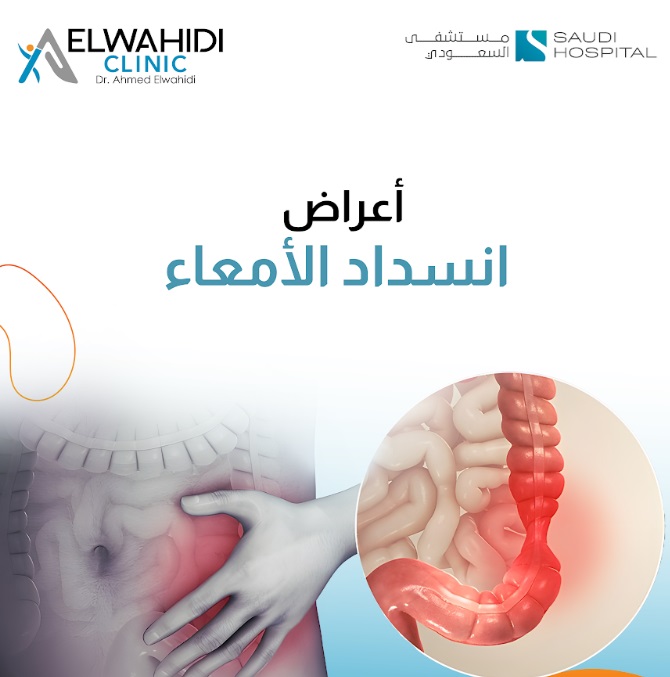
Bowel Obstruction
Bowel obstruction is a medical-surgical condition that requires emergency surgical intervention. Intestinal obstruction occurs when food or fluid stops passing through the small intestine or large intestine. This obstruction is considered a serious condition and immediate surgical intervention is required to avoid serious complications such as intestinal explosion or gangrene.
Types of bowel obstruction
Small bowel obstruction: Most obstructions (approximately 80%) happen in your small intestine.
Large bowel obstruction: Your large intestine includes your colon and rectum. It continues the nutrient absorption process that starts in your small intestine. It also transforms food and water into waste material you pass as stool. Large bowel obstructions account for about 20% of all intestinal blockages.
also bowel obstrucion can be classified as complete, parial and pseudo.
What causes a bowel obstruction?
Abdominal adhesions (scar tissue) from surgeries:
Hernias: Segments of your intestine may break through a weakened section of your abdominal wall.
tumors: tumors may form in your intestines or spread there from other parts of human body (metastatic cancer).
Other causes of bowel obstructions include:
Inflammatory bowel disease (IBD)
Diverticulitis: Diverticulitis occurs when small pockets called diverticula form in your colon and become inflamed.
Intussusception: Intussusception is the main cause of bowel obstructions in children younger than 3.
Volvulus: Some infants are born with a congenital condition (present at birth) called malrotation, where their intestines don’t form properly.
Radiation therapy to your abdomen, pelvis or rectum: Radiation enteritis is a complication of radiation therapy that occurs when the radiation causes scarring in healthy tissue.
Ingesting a foreign object: Eating something your body can’t break down and process (like non-food items) can obstruct your intestines.
symptoms of small bowel obstruction
Abdominal pain, cramping or bloating.
Nausea and vomiting.
Lack of appetite.
Malaise (an overall feeling of illness).
Diarrhea (usually a sign of a partial blockage).
Rapid heartbeat, dark-colored pee (urine) and other signs of dehydration.
Severe constipation (in cases of complete obstruction, you won’t be able to pass gas or poop).
treatment:
Intravenous (IV) fluids: electrolytes to treat dehydration.
Nasogastric tube: You may need a nasogastric tube to suction out fluids and air backed up from the blockage.
Medications: You may need anti-emetics to prevent nausea and vomiting and pain relievers to keep you more comfortable.
Bowel rest: You may need to refrain from eating or drinking to give your intestine time to clear the obstruction or shrink to its normal size.
Surgery: You’ll likely need surgery if your intestine is completely blocked. Dr. Ahmad El Wahidi may remove adhesions or tumors that are causing a blockage. Rarely, they may need to remove diseased segments of tissue.