
Understanding Anal Fissures: Evaluation, Diagnosis, and Treatments
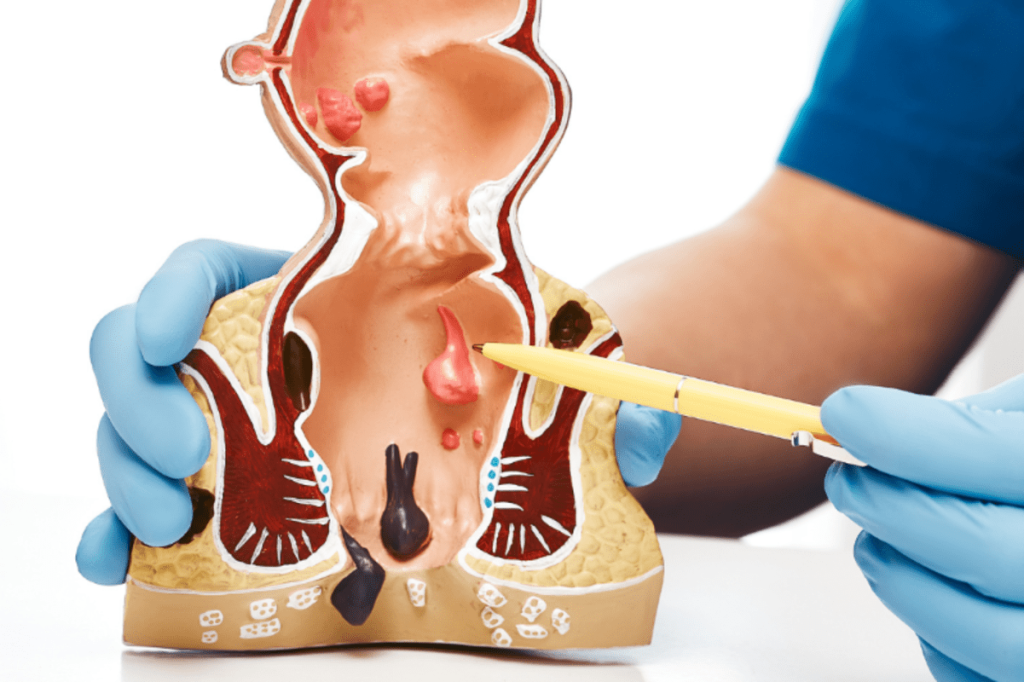
Anal fissures are a common and often painful condition that affects many individuals worldwide. These small tears in the lining of the anus can cause significant discomfort, bleeding, and even chronic pain if not treated effectively. In this blog, we explore the evaluation, diagnosis, and new methods of treatment for anal fissures, guided by the expertise of Dr. Ahmad Elwahidi, a renowned consultant in general, colorectal, and bariatric surgery.
What is an Anal Fissure?
An anal fissure is a small tear or crack in the thin, moist tissue (mucosa) that lines the anus. This condition can cause severe pain and bleeding during bowel movements. Anal fissures are often confused with hemorrhoids, but they are different conditions that require distinct approaches to treatment.
Causes of Anal Fissures
Anal fissures can be caused by several factors, including:
– Trauma: Large or hard bowel movements can cause tears in the anal mucosa.
– Chronic Constipation or Diarrhea: Both conditions can lead to repeated injury and inflammation of the anal canal.
– Childbirth: The strain of delivery can cause fissures in women.
– Inflammatory Bowel Diseases: Conditions such as Crohn’s disease can lead to fissures.
– Decreased Blood Flow: Reduced blood supply to the anal area can impair healing.
Symptoms of Anal Fissures
Common symptoms of anal fissures include:
– Pain: Sharp or burning pain during and after bowel movements.
– Bleeding: Bright red blood on the stool or toilet paper.
– Itching: Intense itching around the anus.
– Visible Tear: A small tear in the skin around the anus.
– Spasms: Muscle spasms in the anal sphincter.
Evaluation and Diagnosis
Dr. Ahmad Elwahidi emphasizes the importance of a thorough evaluation and accurate diagnosis for effective treatment of anal fissures. The evaluation process includes:
1. Medical History: Understanding the patient’s symptoms, bowel habits, and any underlying conditions.
2. Physical Examination: A visual inspection of the anal region to identify any tears or fissures.
3. Digital Rectal Exam: Gently feeling the inside of the anus to assess the extent of the fissure.
4. Anoscopy: Using a small, lighted tube to get a better view of the anal canal and identify any additional issues.
New Methods of Treatment
Dr. Elwahidi is at the forefront of introducing innovative treatments for anal fissures, focusing on both non-surgical and surgical approaches.
Non-Surgical Treatments
1. Topical Medications:
– Nitroglycerin Ointment: Helps to relax the anal sphincter and increase blood flow, promoting healing.
– Calcium Channel Blockers: Used topically to reduce anal sphincter pressure and improve blood flow.
2. Botox Injections:
– Botulinum toxin is injected into the anal sphincter to temporarily paralyze the muscle, reducing spasms and allowing the fissure to heal.
3. Anal Dilators:
– Gradual stretching of the anal sphincter with dilators can help reduce muscle tightness and promote healing.
4. Fiber Supplements and Stool Softeners:
– Ensuring soft and regular bowel movements can prevent further injury to the fissure.
Surgical Treatments
When non-surgical treatments are ineffective, Dr. Elwahidi may recommend surgical options:
1. Lateral Internal Sphincterotomy (LIS):
– A small incision is made in the anal sphincter to reduce muscle tension and promote healing. This procedure has a high success rate and provides long-term relief.
2. Fissurectomy:
– Removal of the fissure and surrounding scar tissue to allow for better healing.
3. Advanced Flap Procedures:
– In cases of chronic fissures, a flap of healthy tissue is used to cover the fissure, promoting healing and reducing the risk of recurrence.
Patient-Centered Approach
Dr. Ahmad Elwahidi’s patient-centered approach ensures that each treatment plan is tailored to the individual needs and circumstances of the patient. By combining the latest medical advancements with compassionate care, Dr. Elwahidi provides effective and comprehensive treatment for those suffering from anal fissures.
Anal fissures can significantly impact a person’s quality of life, but with proper evaluation, diagnosis, and innovative treatments, relief is possible. Under the care of Dr. Ahmad Elwahidi, patients at Saudi Hospital receive state-of-the-art treatment options that prioritize their well-being and promote long-term healing. If you are experiencing symptoms of an anal fissure, consult with Dr. Elwahidi to explore the best treatment options tailored to your needs.