
Gastric Bypass Surgery: Everything You Need to Know
Gastric Bypass Surgery is one of the most well-known and effective weight-loss procedures, particularly for individuals suffering from severe obesity or chronic conditions related to it, such as type 2 diabetes and high blood pressure.
This surgery works on the principle of reducing food intake and calorie absorption, leading to significant and sustained weight loss.
What is Gastric Bypass Surgery?
Gastric bypass consists of two main steps:
Stomach Size Reduction:
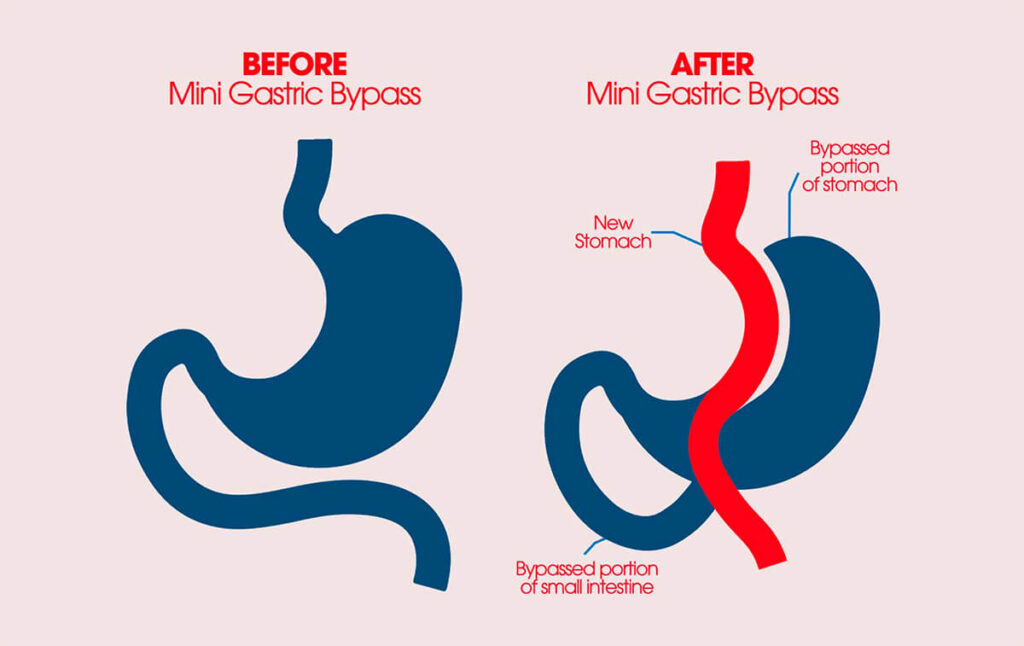
The stomach is divided into a small upper pouch that holds about 30–50 milliliters. This pouch is where food will go, significantly limiting food intake.
Rerouting the Intestines:
The small pouch is then connected directly to a lower section of the small intestine (typically 100–150 cm from its beginning), bypassing a large portion of the stomach, the duodenum, and the first part of the small intestine. This significantly reduces nutrient absorption.
Who is this surgery for?
Gastric bypass is recommended for individuals who:
-
Have a Body Mass Index (BMI) over 40, or over 30 with obesity-related conditions like diabetes or hypertension.
-
Have not succeeded with traditional weight-loss methods like diet and exercise.
-
Have stable mental health and are capable of committing to a healthy lifestyle after surgery.
Health Benefits
This procedure doesn’t just lead to weight loss — it also helps improve or even resolve many chronic health conditions, such as:
-
Type 2 Diabetes: Studies show that many patients experience significant improvement in blood sugar levels, with some achieving full remission.
-
High Blood Pressure and Cholesterol: These often improve after surgery.
-
Improved Quality of Life: Including increased physical activity and reduced joint pain associated with obesity.
Risks and Complications
As with any surgical procedure, there are potential risks, including:
-
Vitamin and Mineral Deficiencies: Due to reduced absorption, lifelong nutritional supplements are required.
-
Bowel Obstruction.
-
Dumping Syndrome: A condition that causes nausea or dizziness after eating high-sugar foods.
With regular follow-ups and adherence to medical guidance, most of these complications can be avoided or minimized.
Life After Surgery
Post-surgery, patients must follow a strict diet that starts with liquids, then pureed foods, and eventually solid foods. Lifelong commitment to dietary supplements and a healthy lifestyle — including eating small meals and regular exercise — is essential.
Conclusion
Gastric bypass is a medically proven and effective option for weight loss and health improvement. However, it is not a magic solution — it requires long-term commitment to lifestyle changes.
Proper medical advice and continuous follow-up are key to a successful outcome.