
How do I choose the type of obesity surgery that is appropriate for my condition?
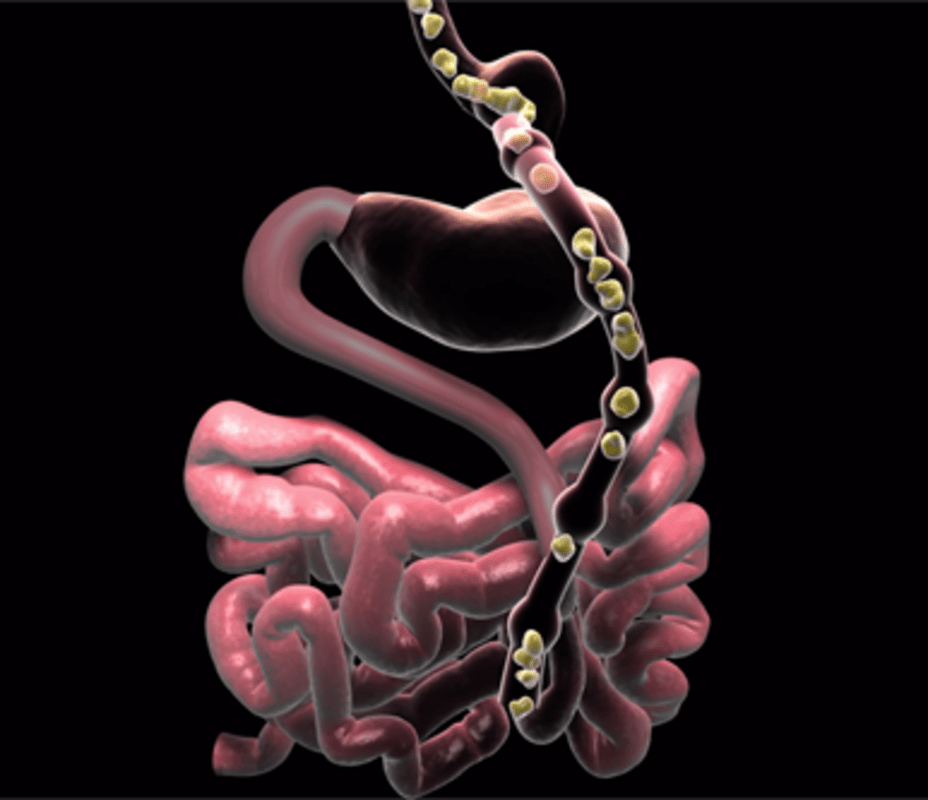
When it comes to managing obesity, surgical intervention can be a life-changing decision. However, choosing the right type of obesity surgery tailored to your specific condition requires careful consideration and expert guidance. In this article, Dr. Ahmed El-Wahidi will help you navigate the complexities of obesity and guide you through the process of selecting the most appropriate surgical option based on your medical data.
Understanding Obesity
Obesity is a chronic health condition characterized by excessive body fat accumulation that can lead to significant health problems, including diabetes, hypertension, and heart disease. It is typically measured using the Body Mass Index (BMI), which calculates the relationship between weight and height. However, BMI alone does not capture all aspects of obesity, such as fat distribution and overall health status.
Types of Obesity Surgery
Several types of obesity surgery, also known as bariatric surgery, can help individuals achieve significant weight loss and improve their quality of life. Each type of surgery has its own benefits, risks, and suitability depending on individual circumstances. Here are some common types:
Gastric Bypass (Roux-en-Y): This surgery creates a small stomach pouch and reroutes the small intestine to this pouch, limiting food intake and nutrient absorption. It is effective for significant weight loss and has long-term success.
Gastric Sleeve (Sleeve Gastrectomy): In this procedure, a large portion of the stomach is removed, leaving a sleeve-shaped stomach. This reduces stomach capacity and helps with weight loss by limiting food intake.
Adjustable Gastric Banding (Lap-Band): An inflatable band is placed around the upper part of the stomach to create a small pouch. It restricts food intake and can be adjusted to control the rate of weight loss.
Biliopancreatic Diversion with Duodenal Switch (BPD/DS): This complex surgery involves removing a portion of the stomach and rerouting the intestines to reduce nutrient absorption. It is typically recommended for patients with severe obesity and significant comorbidities.
Factors to Consider
When choosing the appropriate type of obesity surgery, several factors need to be evaluated:
BMI and Weight Loss Goals: Your BMI and weight loss goals are critical in determining the most suitable surgical option. Different surgeries are recommended based on how much weight you need to lose and how quickly you want to achieve your goals.
Health Conditions: Existing health conditions, such as diabetes, hypertension, or heart disease, can influence the choice of surgery. Some procedures may be more appropriate for patients with specific health issues.
Lifestyle and Eating Habits: Your lifestyle and eating habits play a role in selecting the right surgery. For example, surgeries like the gastric band require adherence to dietary restrictions and regular follow-up adjustments.
Surgical Risks and Recovery: Each type of surgery comes with its own risks and recovery times. It’s essential to consider these factors and discuss them with your surgeon to understand the potential impact on your daily life.
Dr. Ahmed El-Wahidi’s Expertise
Dr. Ahmed El-Wahidi is renowned for his extensive experience and expertise in obesity surgery. He will work closely with you to assess your medical data, including BMI, existing health conditions, and personal goals. By carefully evaluating these factors, Dr. El-Wahidi will provide personalized recommendations for the most suitable type of obesity surgery, ensuring that you receive the best possible care and achieve successful outcomes.
Conclusion
Choosing the right type of obesity surgery involves a thorough understanding of your condition, careful consideration of different surgical options, and expert guidance. With Dr. Ahmed El-Wahidi’s support, you can make an informed decision and embark on a path to a healthier, more fulfilling life. If you are considering obesity surgery, consult with Dr. El-Wahidi to discuss your options and find the best approach for your unique situation.